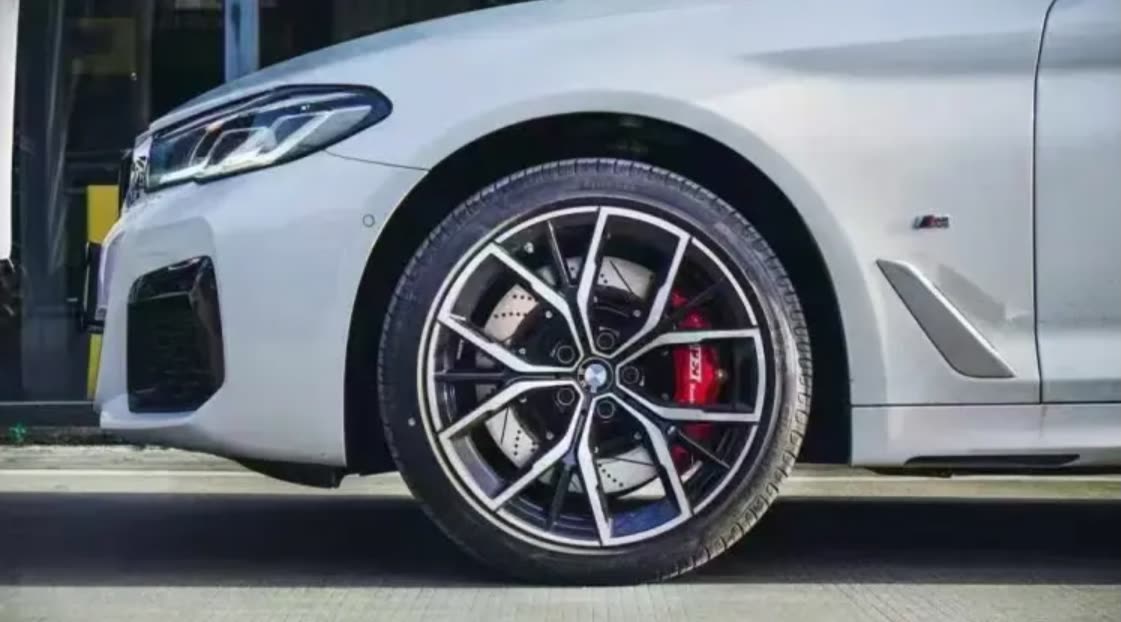
GUANGYUAN, SICHUAN, CHINA, October 26, 2026 /EINPresswire.com/ — When an overseas distributor evaluates new inventory options for premium vehicle applications, evaluating rim strength and dimensional tolerances becomes top priority. During initial conversations with a forged wheels manufacturer, technical requirements often move quickly from decorative designs to structural specifications. Sourcing aftermarket or custom forged wheels requires an understanding of raw material sourcing, multi-stage testing protocols, and release documentation to ensure long-term reliability on the road. Establishing clear evaluation criteria before signing purchase agreements helps international buyers streamline communication and protect brand reputation. Evaluating a manufacturing partner involves assessing raw alloy grades, machining precision, balance testing, and batch traceability.
Raw Material Sourcing and Forge Blank Integrity
The foundation of any high-performance forged wheel rests entirely on raw material selection. Premium forged wheels utilize 6061-T6 aluminum alloy billets, which offer an exceptional strength-to-weight ratio and structural integrity compared to cast alternatives or lower-grade recycled alloys. Purchasing teams need to request material composition certificates to verify genuine 6061-T6 aluminum content prior to manufacturing. Verifying chemical composition through spectral analysis ensures that magnesium and silicon ratios fall strictly within international specifications, eliminating potential material brittleness under severe structural loads.
Confirming whether the production facility sources forged blanks from established primary suppliers ensures structural consistency across order batches. Consistent grain flow along the rim profile prevents microscopic structural voids during high-pressure forging operations, protecting the long-term integrity of the wheel structure. High-pressure mechanical forging aligns the internal alloy grain direction to match the contour of the rim, creating a dense structural core that withstands extreme radial impacts and high cornering stress without cracking.
Experienced wheel manufacturers like Guangyuan Anyu Aluminium Wheel Co., Ltd., (Syac) maintain strict receiving inspections for incoming aluminum billets to keep structural parameters consistent across various batch sizes. Ensuring batch chemical analysis reports are logged prior to CNC machining establishes a reliable paper trail for every production lot. This rigorous material tracking approach guarantees that every blank entering the machining shop floor strictly complies with structural safety margins, providing global distributors with full confidence in product durability.
Dimensional Precision and Visual Surface Inspection
Once a forged blank undergoes precision CNC machining, physical dimensions must match original CAD models down to fractions of a millimeter. Precise center bore dimensions, pitch circle diameter (PCD), offset (ET), and bolt hole seats ensure proper fitment on targeted vehicle hubs without vibration issues. Critical hub checks involve inspecting center bore concentricity, PCD accuracy, and lug hole seat chamfers using calibrated digital gauges. Even a minor deviation in center bore sizing can lead to improper wheel hub centering, which introduces unwanted radial vibrations during operation.
Guangyuan Anyu Aluminium Wheel Co., Ltd. integrates multi-axis CNC equipment to maintain consistent tolerances across custom production runs. Technical teams verify mounting pad flatness to guarantee flush seating against brake rotors before wheels head to final finishing. Multi-axis milling centers handle intricate spoke profiles, weight-reduction pockets, and valve stem holes in a single setup, minimizing cumulative tooling tolerance stack-ups across different manufacturing operations.
Surface finish inspections focus on verifying uniform clear coat thickness, smooth machined face textures, and the absence of paint runs, pinholes, or edge overspray. Careful visual and dimensional checks protect buyers from costly fitment claims after overseas shipment handoff. Quality technicians perform multi-angle lighting inspections and automated coating thickness measurements across spoke edges and barrel surfaces to ensure long-lasting environmental protection against road salt, brake dust, and moisture exposure.
Runout Verification and Dynamic Balance Testing
A common oversight during international wheel sourcing is assuming that a wheel passing radial runout testing is automatically balanced. Radial and lateral runout tests measure mechanical roundness and side-to-side wobble, whereas dynamic balance testing measures weight distribution around the rotating axis. A wheel can feature geometric roundness yet retain localized weight variances that cause severe highway speed vibrations. Measuring both parameters independently ensures that geometric perfection translates directly into smooth rolling performance on the highway.
Professional wheel manufacturers like Syac subject every finished wheel to dual-stage balance and runout checks prior to protective packaging. Dial indicators verify that wheel rim edge variance remains within strict millimetric limits to eliminate geometric wobbling during high-speed rotation. Technicians measure radial runout along both the inner and outer rim lips to ensure that the barrel profile remains perfectly concentric with the central mounting hub.
Guangyuan Anyu Aluminium Wheel Co., Ltd. incorporates structured testing protocols to verify smooth operational characteristics before final release. Commercial buyers should insist on documented pass records for both geometric runout and dynamic balance tests rather than relying on single-parameter checks. High-precision dynamic balancing machinery identifies minimal weight imbalances, allowing technicians to verify mass distribution uniformity before approving the product for protective packaging and export release.
Pre-Shipment Inspection, Packaging, and Quality Traceability
The final phase of a successful procurement process involves pre-shipment verification and protective packaging standards. Transporting forged wheels across ocean routes exposes goods to moisture, vibration, and handling impact, making tubeless valve seat and rim bed pressure testing essential to prevent slow air leaks once tires are mounted. Submerging pressurized wheel assemblies in specialized water tanks or using helium leak detectors ensures absolute rim bed integrity before cargo loading.
Individual wheels require edge rim protectors, protective fabric covers, thick foam layers, and double-wall corrugated cartons to safeguard finished surfaces during transit. Robust packaging prevents cosmetic abrasion and rim lip dents during long-distance maritime shipping. Palletized shipments must be securely banded and shrink-wrapped with moisture-resistant film to protect outer cartons from humidity fluctuations inside shipping containers during transit across ocean routes.
By standardizing this four-step checklist, commercial importers establish reliable supply partnerships while maintaining strict quality control boundaries. Syac continues to coordinate wheel programs for international distributors through transparent project tracking and documented quality records linked to lot numbers. Implementing full digital traceability allows buyers to review inspection reports, material certificates, and final release documents for every individual shipment prior to departure.
To review product options, technical capabilities, or manufacturing specifications, please visit: https://syacwheels.com/
Syac
Syac
Legal Disclaimer:
EIN Presswire provides this news content “as is” without warranty of any kind. We do not accept any responsibility or liability
for the accuracy, content, images, videos, licenses, completeness, legality, or reliability of the information contained in this
article. If you have any complaints or copyright issues related to this article, kindly contact the author above.

Media gallery