
Dongguan, Guangdong Province, China- October 8, 2026
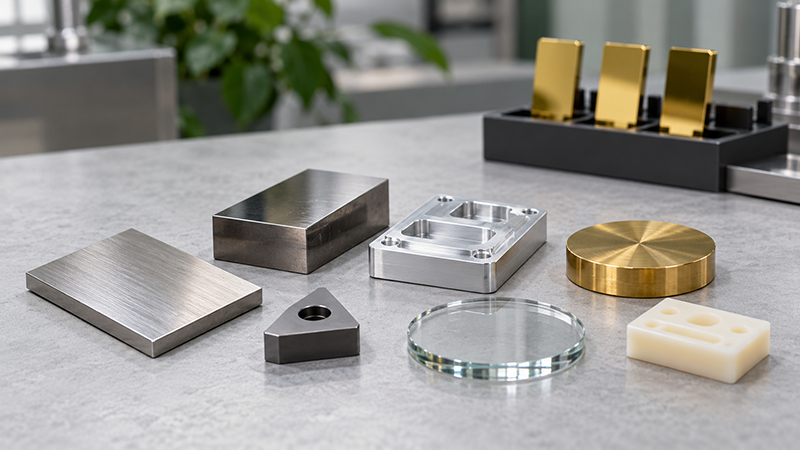
PVD coating is used on cutting tools, molds, machine components, decorative hardware and optical products. Common substrates include hardened steel, cemented carbide and stainless steel. Aluminum, brass, titanium, glass and selected plastics can also be coated with suitable preparation and deposition conditions.
The practical question is how the complete coating system will perform on a specific product. Substrate hardness, heat tolerance, surface finish and geometry all influence adhesion and service life. Selecting PVD coating equipment starts with these details.
What Products Can Be PVD Coated?
Cutting Tools
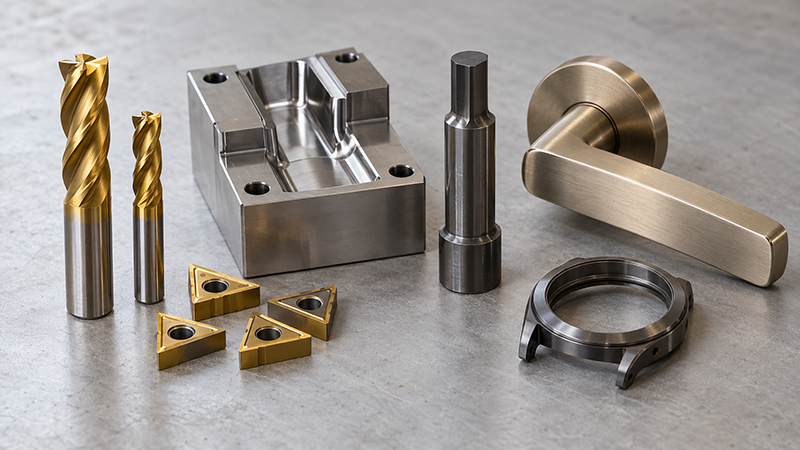
End mills, drills, turning inserts, taps, gear hobs, broaches and saw blades are common PVD applications. Coatings such as TiN, TiAlN, AlTiN and CrN are selected according to the workpiece material, cutting conditions and tool failure mode.
For cutting tool coating solutions, edge preparation and coating thickness deserve close attention. Excessive thickness can change the cutting edge. Poor cleaning or grinding damage can undermine adhesion.
Molds, Dies and Industrial Components
Injection mold inserts, punches, forming dies and die-casting components can receive coatings to address abrasion, sticking or galling. PVD coating for molds and dies requires a review of the tool steel, heat treatment and working surface.
Gears, shafts, rollers, valve parts and other precision components are further candidates. The coating must suit the contact load, lubrication and mating material. A thin hard film needs adequate support from the substrate beneath it.
Decorative Hardware and Consumer Products
Door handles, faucets, bathroom fittings, watch cases, bracelets, jewelry and electronic housings can use decorative PVD coating for color and surface durability. Gold-toned TiN and ZrN are familiar examples; other film compositions produce additional finishes.
Polishing and brushing establish the underlying texture. PVD generally follows that texture and will not conceal deep scratches, casting pores or plating defects. Color approval should use a coated sample with the intended substrate and preparation.
Glass, Optical Parts and Selected Plastics
Lenses, filters, mirrors and display glass use PVD methods such as evaporation and sputtering to control reflection or transmission. Optical coating equipment requires precise film control and a process matched to the substrate.
Selected plastics can receive metallic or functional films through low-temperature vacuum processes. Polymer grade, moisture, outgassing and adhesion must be evaluated. Plastic metallization needs a different process from conventional hard coating on steel tools.
Which Materials Are Suitable for PVD Coating?
|
Substrate |
Typical products |
Main consideration |
|
Hardened tool steel and HSS |
Tools, punches, molds |
Keep the process compatible with the heat treatment |
|
Cemented carbide |
Inserts, drills, end mills |
Check binder condition and edge preparation |
|
Stainless steel |
Hardware, watches, instruments |
Remove contamination and prepare the passive surface |
|
Titanium alloys |
Precision and decorative parts |
Control surface oxides and coating adhesion |
|
Aluminum alloys |
Housings, trim, components |
Evaluate heat sensitivity and substrate support |
|
Brass, copper and zinc alloys |
Faucets, handles, accessories |
Assess porosity and any plated underlayers |
|
Glass, ceramics and silicon |
Optical and functional parts |
Match cleaning, film stress and deposition conditions |
|
Selected polymers |
Reflectors, packaging, trim |
Validate temperature, outgassing and film adhesion |
 What Can Make a Product Difficult to Coat?
Deep blind holes, narrow channels and hidden surfaces can receive limited coverage because PVD deposition is strongly affected by source access. Rotation improves exposure, but it cannot guarantee uniform coating inside every recess.
Oil, rust, silicone residue and unstable existing finishes can cause adhesion problems. Soft substrates may deform under load even when the coating is hard. Assembled parts containing adhesives, seals or lubricants also need review before vacuum processing.
Matching the Product to Huasheng Equipment
Huasheng offers AIP coating equipment, HiPIMS coating equipment, hybrid systems and decorative coating equipment. These categories serve different coating and production requirements. GFOUR, MD-series, HD-series and DECO-series machines provide options for evaluating industrial and decorative applications.
Send Huasheng the material grade, heat treatment, part dimensions, target coating, critical surfaces and batch volume. Include the current wear problem or an approved color sample. Sample trials can then establish adhesion, coverage and appearance before the production configuration is finalized.
Media Contact
Company Name: Guangdong Huasheng Nanotechnology
Contact Person: Media Relations
Email: Send Email
Country: China
Website: https://www.hscoat.com/
Press Release Distributed by ABNewswire.com
To view the original version on ABNewswire visit: PVD Coating Applications Expand Across a Wide Range of Products and Materials


