
Ardmore, PA – November 25, 2026 – PRESSADVANTAGE –
Evolve Collision Centers is sharing consumer guidance on how Advanced Driver Assistance Systems (ADAS) have changed the professional collision repair process. The November information release explains how cameras, radar sensors, electronic control modules, and manufacturer-specific procedures influence damage assessments, repair planning, and post-repair verification.
Modern collision repairs increasingly involve evaluating electronic technologies alongside structural and exterior vehicle damage. Driver-assistance features such as automatic emergency braking, adaptive cruise control, lane departure warning, and blind spot monitoring rely on equipment that may be affected by an accident. These systems introduce additional inspection and repair considerations that were less common in vehicles manufactured before widespread ADAS adoption.
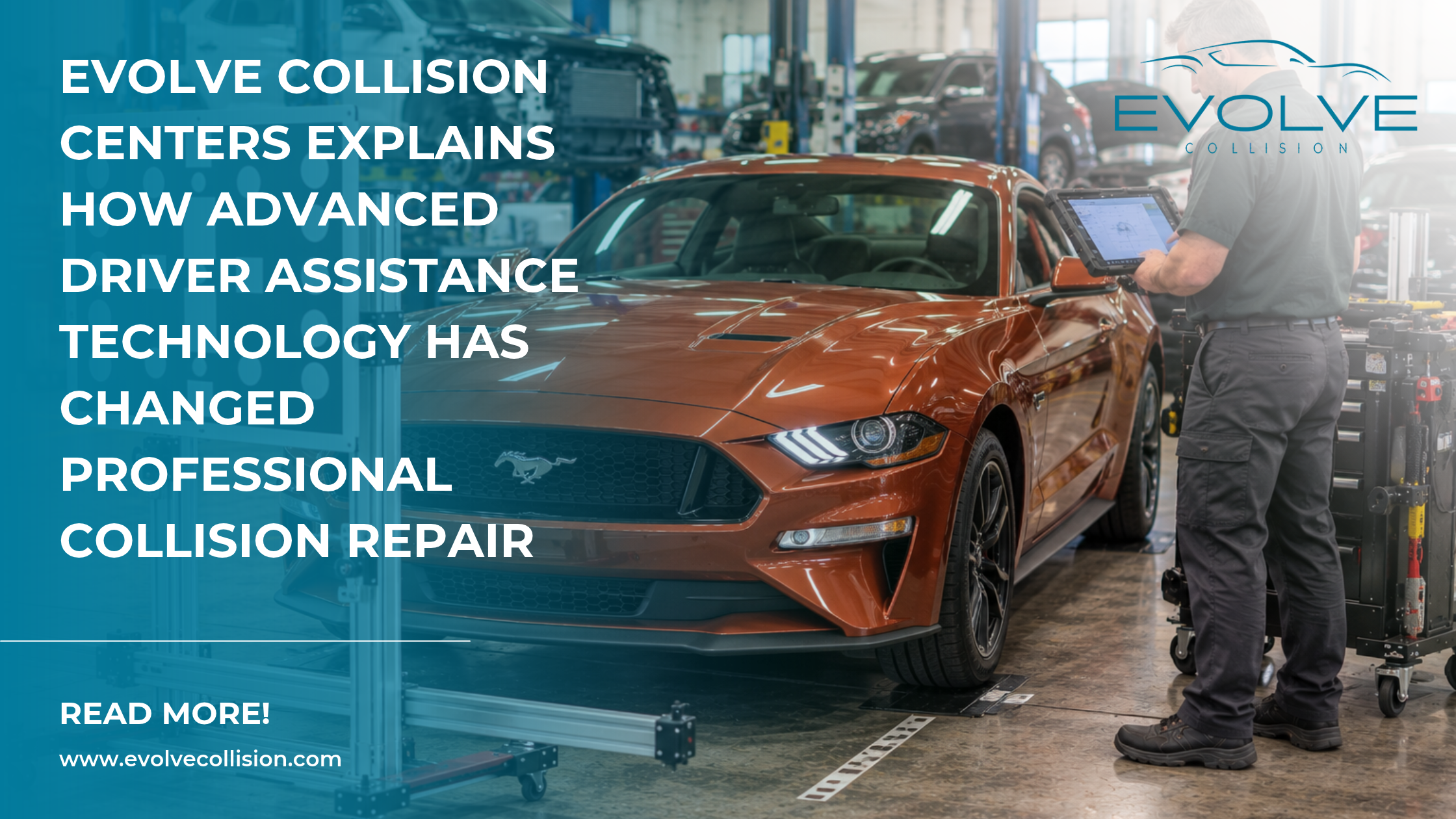
The guidance identifies four areas where driver-assistance technology has influenced collision repair practices: initial damage assessment, repair planning, technical procedures, and final verification. Each area demonstrates how electronic systems have become part of the broader vehicle restoration process.
The first area involves identifying potential damage to electronic equipment during the initial inspection. Cameras and radar sensors may be located near bumpers, windshields, exterior mirrors, and other areas exposed to collision forces. Even when a sensor appears undamaged, its mounting position or surrounding components may require evaluation.
For example, a front-end collision can affect a radar mounting bracket concealed behind a bumper cover. A side impact may involve electronic equipment associated with blind spot monitoring, while certain windshield repairs can affect camera mounting locations. The necessary inspections depend on the vehicle’s equipment and the area damaged.
Evolve Collision Centers provides information about accident-related damage evaluation through its collision repair services. Modern repair assessments may need to consider both visible body damage and electronic components affected by the same collision.
The second area involves incorporating ADAS requirements into repair planning. Manufacturer repair instructions may specify inspections, diagnostic procedures, or calibration following certain repairs or component replacements. These requirements can affect the sequence of operations and the equipment needed to complete the work.
Repair plans may also need to account for mechanical or structural conditions that influence sensor positioning. Changes involving wheel alignment, ride height, or sensor mounting geometry can affect the conditions under which certain driver-assistance systems operate. Applicable manufacturer procedures determine whether these conditions must be corrected or verified before calibration.
ADAS technology has also influenced how repair estimates are developed and updated. An initial assessment may not identify every affected sensor, wiring connection, or mounting component until damaged areas are disassembled. Additional findings can result in supplemental estimates and revised repair procedures.
The third area involves technical procedures used to evaluate electronic systems. Diagnostic scanning can retrieve certain electronic fault information, while ADAS calibration follows manufacturer-defined procedures to establish or verify the operating parameters of applicable cameras and sensors. These operations serve different purposes and may both be required during certain collision repairs.
Evolve Collision Centers provides information about these processes through its scanning and calibration services. The appropriate procedures depend on the vehicle’s make, model, installed systems, and the repairs performed.
Calibration requirements can differ between manufacturers and individual vehicle systems. Some procedures involve stationary targets and controlled workshop conditions, while others require driving under specified roadway conditions. Certain systems require a combination of static and dynamic procedures.
The growing use of ADAS has also increased the importance of coordinating different repair operations. Body repairs, structural measurements, wheel alignment, glass replacement, and electronic procedures may need to occur in a particular sequence. Completing one operation before a related mechanical or structural condition has been corrected can affect the suitability of subsequent calibration work.
The fourth area involves post-repair verification. Depending on the vehicle and the damage repaired, final checks may include electronic diagnostic scans, confirmation of required calibration procedures, inspection of sensor mounting locations, and review of relevant system fault information. These checks complement applicable structural, mechanical, and exterior inspections.
A vehicle’s exterior appearance does not establish whether every manufacturer-required electronic procedure has been completed. Similarly, the absence of a dashboard warning light does not necessarily confirm that all applicable ADAS inspections or calibrations have been performed. Vehicle-specific repair instructions remain necessary when determining completion requirements.
Documentation has become another important aspect of modern collision repair. Repair records may identify diagnostic findings, calibration procedures, replaced components, and additional inspections completed during the restoration process. These records can help vehicle owners understand work that may not be visible during a final exterior review.
For Ardmore and surrounding Main Line drivers, the November guidance emphasizes that collision repair has evolved beyond correcting visible body damage. Modern vehicles may require coordinated structural, mechanical, and electronic procedures to address the full effects of an accident. The specific operations depend on the damage identified and the manufacturer’s requirements.
Not every collision requires ADAS calibration or extensive electronic repairs. The appropriate scope of work depends on the vehicle’s installed technology, the location of the impact, and the repair procedures performed. Professional damage assessment helps determine which electronic considerations apply to the individual vehicle.
Evolve Collision Centers also provides information about manufacturer-focused repair qualifications through its OEM certification page. Manufacturer repair procedures help establish the requirements for working with different vehicle structures, electronic systems, and safety-related technologies.
The November consumer guidance explains that the integration of ADAS has changed how collision damage is evaluated, how repair operations are coordinated, and how completed work is documented. Understanding these developments can help vehicle owners recognize why modern collision repairs may involve technical procedures beyond traditional bodywork.
About Evolve Collision Centers
Evolve Collision Centers provides collision repair, auto body repair, paint refinishing, glass services, paintless dent repair, and vehicle scanning and calibration services. The company serves Ardmore and surrounding Main Line communities in Pennsylvania, with repair requirements determined by vehicle-specific damage assessments and applicable manufacturer procedures.
###
For more information about Evolve Collision Centers, contact the company here:
Evolve Collision Centers
Butch Cantz
(267) 692-6699
bcantz@evolvecollision.com
2560 Haverford Rd, Ardmore, PA 19003