
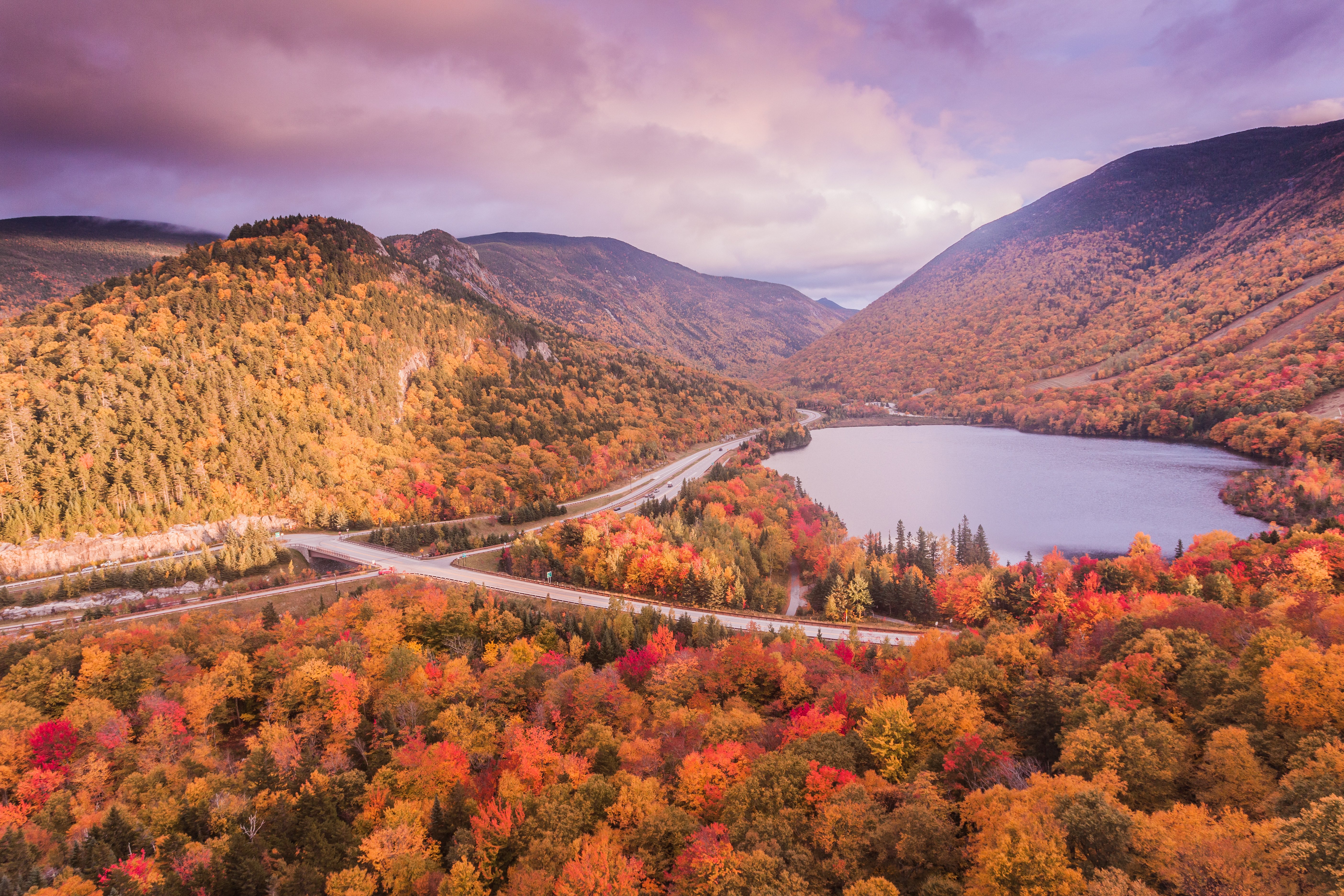
Key Takeaways
· Foliage moves from north to south, and the busiest “peak” weekend is not always the best time to go.
· Scenic roads are not automatically RV-friendly. Low bridges, weight limits and tight town streets catch big rigs out.
· Online campground listings can be outdated, and many northern campgrounds close around Indigenous Peoples’ Day.
· Foliage-season traffic is real, and early starts beat spontaneous stops.
· A few simple habits prevent most trip-ruining surprises. Best RV New England Travel Guide by Harper Camden walks through them.
New England in October is one of America’s great road trips. Vermont’s wooded mountains, New Hampshire’s scenic valleys and Maine’s dramatic coastline draw travelers hoping to catch the changing leaves. For RV owners, though, getting there takes more planning than an ordinary vacation.
A GPS shortcut can end at a historic covered bridge. A campground listing can turn out to be years out of date. A short drive can take twice as long when foliage traffic fills narrow mountain roads. Harper Camden learned this the hard way in a first 30-foot rig, when a Vermont “shortcut” led to a bridge that looked about two inches shorter than the air conditioner.
Here is what to know before you hit the road, and where to find the rest.
When Is The Best Time For A New England Fall Foliage RV Trip?
Foliage is a wave, not a light switch. It starts at the Canadian border and the highest peaks in late September, then rolls south through October. Northern Maine and northern New Hampshire usually color first. The White Mountains tend to peak in the first half of October, and southern areas such as Massachusetts, Connecticut and Rhode Island often look their best later in the month.
Most travelers chase the busiest weekend and end up with crowded roads and top campsite prices. Peak dates are only estimates, because temperature, rainfall and elevation all shift the timing from year to year. Check current foliage reports shortly before you leave, and be ready to adjust. The Best RV New England Travel Guide covers a smarter timing strategy, including what to do about the “Late Peak.”
Planning An RV Route Across New England’s Six States
New England has six states, and each one drives differently:
· Vermont: mountain scenery and small towns, but historic bridges, winding rural roads and limited village parking.
· New Hampshire: the White Mountains are spectacular, and so is the traffic on popular roads.
· Maine: forests and coastline, and distances that are bigger than they look on the map.
· Massachusetts: the Berkshires and western countryside, plus historic towns with tight streets.
· Connecticut: wooded hills and small communities, best later in the foliage season.
· Rhode Island: compact and coastal, but parking and road access still need checking.
Trying to cover all six in a single week leaves little time to enjoy any of them. Most travelers do better choosing a smaller area and leaving room in the schedule.
Why RV-Specific Navigation Matters
A route that works for a car may not work for an RV. New England has historic bridges, wooden covered bridges with weight limits, and town centers laid out long before motorhomes. Interstates typically clear 13’6″, but local roads, state routes and even some parkways can fall below that.
Know your RV’s true height, length, width and weight, including roof-mounted accessories. Use RV-specific navigation, but don’t rely on it alone. Check posted signs and official state transportation sites too. Planning an alternative before you reach a restricted road is far easier than trying to back a large RV out of an unfamiliar street.
Inside the book: readers can also discover the “13-Foot Rule,” how to measure your true height, why a three-tool navigation system works better than any one app, and what to do if you’re already stuck.
Avoid Booking A Ghost Campground
An online listing doesn’t prove a campground is open. Some directories keep parks that closed years ago, changed owners, or stopped taking larger rigs. Many northern campgrounds also close around Indigenous Peoples’ Day, even while the leaves are still colorful, and even within one destination, campgrounds may not all close on the same date.
Before you book, confirm the dates, the maximum RV length, the hookups and which amenities are still available this late in the season. When listings disagree, call the campground directly. A confirmed reservation is worth a lot in a popular foliage area, where finding another overnight stop at short notice can be hard.
Inside the book: the “Triple-Check” method, plus what to look for in reviews and photo dates.
How To Avoid Foliage-Season Traffic And Parking Problems
The places that look peaceful in photos can be gridlocked on foliage weekends. Limited parking, narrow streets and crowded overlooks make spontaneous stops hard in an RV. Traveling between major destinations on weekdays helps, and so does starting early in the day.
Research parking before you set out, because not every overlook, trailhead or historic town has room for a large rig. One fix is to park at an RV-friendly base and explore in a smaller vehicle.
Inside the book: the “Hub and Spoke” method, and a route guide to the Kancamagus Highway. By noon in foliage season it can feel like a parking lot.
Common Mistakes That Can Disrupt A Fall RV Trip
Trying To Visit Too Many Destinations
New England looks small on a map, but mountain roads, sightseeing stops and traffic slow everything down. Changing campgrounds every night leaves almost no time to explore. The book’s “3-3-3 Rule” covers the pacing.
Underestimating Autumn Weather
Warm afternoons can turn into freezing nights, and rain or fog can slow you down on mountain roads. Check forecasts regularly and confirm campground water connections are still on.
Overlooking Fuel And Access
Fuel stops can be far apart in less populated areas. Plan them along routes your RV can handle, and think about turning space if you’re towing a car.
Assuming Every Attraction Is RV-Accessible
Not every overlook, harbor or village has parking for a big rig. The book names workable parking at specific stops, from Maine’s lighthouses to Vermont’s Route 100.
A Quick Check Before You Leave
· Check current foliage reports for the areas you’ll visit.
· Confirm your RV’s dimensions and review restrictions along your route.
· Verify campground dates and amenities.
· Keep the itinerary flexible enough to handle changing conditions.
That’s the short version. The book goes much further, with the checks, tools and routines that make a New England trip run smoothly.
What’s Inside Best RV New England Travel Guide
· Timing, including the “Late Peak” strategy and why you shouldn’t chase the busiest weekend.
· Route guides to the Kancamagus Highway, Maine’s Lighthouse Trail (with a back road around the Wiscasset bottleneck) and six stops on Vermont’s Route 100.
· Acadia strategy, including the free Island Explorer bus and a quieter, RV-friendly alternative at Schoodic.
· Reservation tactics for booked-up campgrounds, plus alternatives like farm stays and stealth camping.
· A story that follows a first-time RV couple who make most of these mistakes so you don’t have to.
Frequently Asked Questions
When is peak fall foliage in New England?
Color generally moves north to south. Northern areas peak from late September into early October, the White Mountains in the first half of October, and southern New England later in the month. Exact timing changes every year, so check current foliage reports.
Can I take an RV on scenic New England roads?
Sometimes, but not automatically. Many scenic routes have low bridges, weight limits or tight turns. Know your RV’s exact height, length, width and weight, and check restrictions before you commit to a route.
Are New England campgrounds open in October?
Many are, but plenty in the northern states close around Indigenous Peoples’ Day or soon after. Always confirm dates and amenities directly with the campground.
How many New England states can I see in one RV trip?
It’s possible to visit all six, but a week is rarely enough. Most travelers have a better trip choosing two or three neighboring states and taking their time.
Is there a guide written for RV travel in New England?
Yes. Best RV New England Travel Guide by Harper Camden covers timing, routes, low bridges, campgrounds and reservations, written for RV travelers.
Enjoy The Journey Without The White Knuckles
Freedom on the road depends on practical preparation. Know your height, confirm your campground and leave room in the schedule.
Ready to plan your trip? Get Best RV New England Travel Guide by Harper Camden today.
PreciousRV
hello@preciousrv.com
PO Box 327
Boston
MA
02131
United States


